

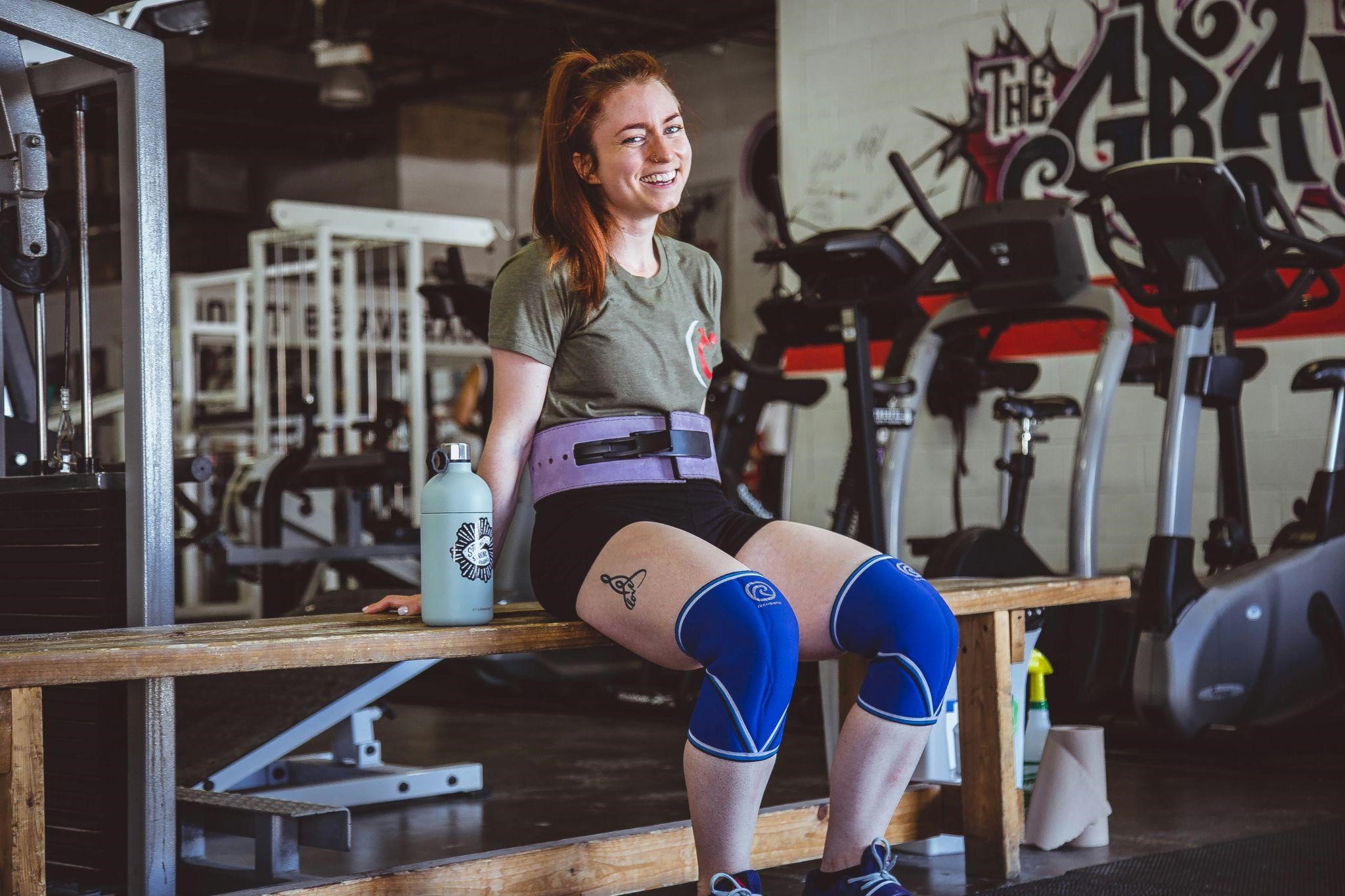
There are many ways to use a weightlifting belt to make big lifts safer, more stable, and more powerful, but it all depends on how it is used. Many newbies are eager to use a belt, but it’s important to know that it can’t replace proper form, technique, and core strength. If you use a weightlifting belt the right way, it can help you safely lift heavier weights and improve your effectiveness.
This guide will explain why a weightlifting belt is important, what its benefits are, and how to use it correctly during your workouts.
Why Should I Use a Weightlifting Belt?
It’s important to know why belts exist and when they are useful before you can learn how to use them well. A weightlifting belt’s main job is to raise intra-abdominal pressure (IAP), which keeps the spine stable and lowers the risk of injury.
Advantages of Making Good Use of a Weightlifting Belt:
Better Core Stability: A belt makes it easier to brace your core, which gives you a strong base for lifting big things.
Safety from Injuries: Injuries are less likely to happen because the belt supports the spine and lower back during workouts like squats and deadlifts.
Better Performance: Lifters can often move near-maximal loads (80%+ of one-rep max) with a belt, which lets them lift bigger weights.
Better Form: A belt helps lifters use good form, especially when they learn to protect against it.
But it’s important to keep in mind that belts aren’t meant for light weights or every workout. Before you can use a belt effectively, you need to build up your core strength and learn how to lift weights properly.
If you lift weights, when should you use a belt?
When you’re doing compound lifts with big weights, a weightlifting belt will help you the most. Among these workouts are:
Do squats, deadlifts, overhead presses, and clean and jerks.
You might want to wear a belt if:
- You are lifting weights that are close to or above your one-rep max.
- You have trouble staying stable when lifting big things.
- Your goal is to get better at strength-based sports like Olympic lifting or powerlifting.
How to Pick the Best Weightlifting Belt
If you use the wrong kind of belt, it might not work as well. To get the most out of your workout, pick a belt that fits your lifting goals:
Things used:
- Leather belts are strong, last a long time, and are great for powerlifting and big compound lifts.
- Flexible, light, and better for dynamic moves like CrossFit or Olympic lifting, nylon belts are the way to go.
Length and Width:
Width: A standard 4-inch belt is wide enough to hold most lifters.
Most people choose a thickness of 10mm or 13mm. More support comes from thicker belts, but they can feel stiff at first.
Type of Buckle:
Prong Buckle: Safe and reliable, but it takes some time to get used to.
Lever Buckle: Simple to use and quick to tighten or loosen.
Velcro straps: Best for CrossFit-style training or moving light weights.
If you are just starting, a nylon or thinner leather belt is likely to be more comfy and useful.
How to Put on a Weightlifting Belt Right
It is very important to position and wear a weightlifting belt properly if you want to get the most out of it. To get the best fit and efficiency, do these things:
1. Wear the belt right
Wrap the belt around your middle so that it covers your lower body. The belt should be just above your hip bones and below your chest.
2. Tie the belt just about tighter
The belt shouldn’t feel too tight, but it should fit well. You should be able to breathe deeply and press your stomach against the belt.
When you’re not moving, there should be just enough space between the belt and your waist for one or two fingers to fit.
3. Hold your core tight before you lift
To use a weightlifting belt effectively, you need to make sure your core is properly supported. To protect against the belt, do this:
Step 1: Breathe deeply into your belly, not your chest.
Step 2: Like you’re blowing up a balloon, push your abs outward in all directions.
Step 3: To stay stable, press your core against the belt and keep this force up throughout the lift.
Don’t stick your tongue out. That’s not what you want to do—put pressure on your outside.
What Not to Do: Common Mistakes
If you don’t use a weightlifting belt correctly, it can hurt you or make you less effective. Don’t make these usual mistakes:
Don’t depend too much on the belt: Avoid using it for every set or workout. Only use it for big lifts (above 80% of your max).
Not Working Your Core: Don’t depend on the belt alone for support. Planks, deadbugs, and weighted carries are all good workouts to work on your core.
Not the Right Fit: A belt that is too big or too small won’t work right. Make changes until it fits snugly but still lets you brace yourself.
Incorrect Breathing Technique: If you don’t hold yourself properly against the belt, it won’t support you as much. Focus on putting pressure on your stomach that goes outward.
Should people who are new to weightlifting use a belt?
Before using a weightlifting belt, beginners should work on improving their form, core strength, and steadiness. Using a belt too soon can stop muscles from growing and stop the body from supporting properly.
However, once beginners move on to heavier loads and have mastered the proper techniques, a belt can be added to improve safety and performance.
Last Words on Efficient Belt Use
- Firstly, work on your form without the belt, make sure you know how to properly brace your core.
- Keep the belt for hard lifts or tries at max effort. During warm-ups or light sets, don’t wear it.
- Work out your core often: The belt will work better and help you lift more weight over time if your core is strong.
- Don’t be afraid to try different ways of putting on and tightening the belt until you find the one that fits you best.
If you know when and how to use a weightlifting belt, you can easily lift heavier weights, get better at what you do, and step up your training. Remember that the belt makes you stronger, but hard work, good form, and a strong core are what make you a better lifter.
